
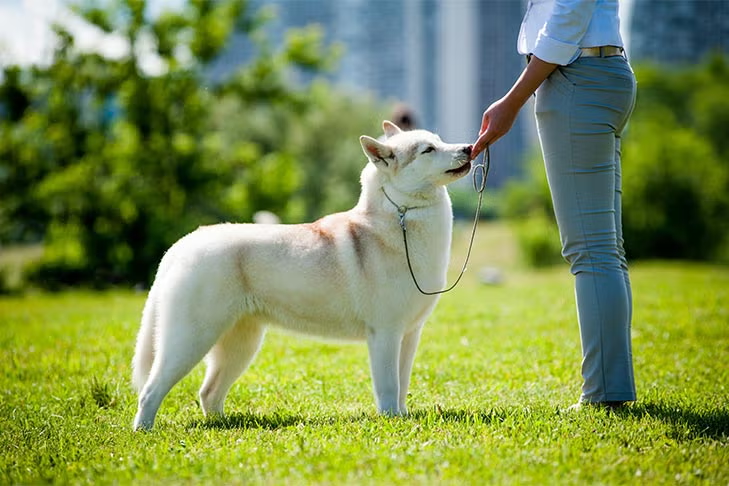
When it comes to service dog training for emotional support, few things are as impactful and life-changing as the right training program designed with expertise, experience, and compassion. At Rob’s Dog Training in Phoenix, AZ, we specialize in preparing dogs not just to assist, but to become genuine partners in emotional well-being.
In this guest post, we’ll explore the critical role of service dog training for emotional support, share expert insights, and offer practical tips for anyone considering this path. Whether you are new to the concept or looking to enhance your dog’s skills, this guide provides valuable information to help you understand and navigate the journey effectively.
What Is Service Dog Training for Emotional Support?
Service dog training for emotional support involves teaching dogs specific behaviors and responses to help individuals cope with emotional or psychological conditions such as anxiety, PTSD, depression, and more. These dogs offer companionship, comfort, and practical assistance, which can dramatically improve quality of life.
Unlike general pet training, service dog training focuses on:
- Behavioral reliability: Dogs learn to stay calm and focused in various environments.
- Task training: Specific tasks that address emotional needs, like interrupting anxiety episodes.
- Public access skills: Proper etiquette in public spaces to support their handlers discreetly.
At Rob’s Dog Training, our approach centers on positive reinforcement techniques, ensuring that training is humane, effective, and tailored to each dog’s unique personality.
Why Choose Professional Service Dog Training for Emotional Support?
Many people underestimate the complexity of preparing a dog for emotional support roles. Effective training requires specialized knowledge, consistency, and patience. Here’s why professional training is essential:
1. Experience and Expertise
Service dog trainers have a deep understanding of canine behavior and emotional support needs. Our team at Rob’s Dog Training brings years of experience helping dogs develop the skills necessary to provide real assistance reliably.
2. Customized Training Plans
No two dogs or handlers are the same. Professional trainers assess individual needs and customize training plans accordingly. This personalization enhances the effectiveness of emotional support tasks.
3. Legal and Practical Guidance
Understanding the legal framework surrounding service dogs and emotional support animals is crucial. Professional trainers offer guidance on certification, rights, and responsibilities, helping you navigate this often confusing area with confidence.
Key Emotional Support Tasks Dogs Learn
A well-trained emotional support dog performs specific actions that alleviate symptoms and provide comfort. Common tasks include:
- Deep pressure therapy: Applying gentle pressure to calm anxiety or panic attacks.
- Interrupting repetitive behaviors: Redirecting the handler from harmful or obsessive actions.
- Room searches: Alerting to potential threats or triggering situations.
- Medication reminders: Prompting the handler to take prescribed medications.
- Grounding techniques: Nudging or licking the handler to bring focus back during dissociative episodes.
Rob’s Dog Training emphasizes task training alongside obedience and socialization to ensure dogs are ready to support their handlers in daily life.
Tips for Successful Service Dog Training for Emotional Support
If you are considering training your dog for emotional support, here are expert tips to maximize success:
1. Start Early and Be Consistent
Early training forms the foundation. Practice commands and tasks daily in varied settings to build reliability.
2. Use Positive Reinforcement
Reward-based training encourages willingness and enthusiasm. Avoid punishment-based methods that can harm trust.
3. Socialize Your Dog
Expose your dog to different environments, sounds, people, and situations to build confidence and reduce anxiety.
4. Seek Professional Support
Enroll in a reputable service dog training program, like Rob’s Dog Training, to access expert guidance and community support.
5. Monitor Your Dog’s Well-Being
Emotional support work can be demanding. Regular veterinary check-ups and mental stimulation keep your dog healthy and happy.
The Importance of Trust and Bonding
Service dog training for emotional support is as much about building a strong bond as it is about commands and tasks. Trust between handler and dog creates a partnership where both feel secure and understood. At Rob’s Dog Training, we foster this bond by encouraging communication through consistent training methods and empathetic handling.
Emotional Support Dogs vs. Service Dogs: What’s the Difference?
Emotional support dogs and service dogs both provide valuable assistance, but they differ in their roles, training requirements, and legal recognition.
Emotional support dogs primarily offer comfort and companionship to help alleviate emotional or psychological symptoms. They do not require formal training and have limited public access rights, mainly housing protections.
Service dogs, on the other hand, undergo extensive training to perform specific tasks that mitigate a person’s disability. These tasks help the handler with daily challenges related to physical or mental impairments. Service dogs have broader legal protections under laws like the Americans with Disabilities Act (ADA), allowing access to most public places.
Rob’s Dog Training focuses on service dog training for emotional support needs, ensuring dogs are well-prepared to assist their handlers in compliance with legal standards.
Frequently Asked Questions About Service Dog Training for Emotional Support
How long does it take to train a service dog for emotional support?
Training typically spans several months, influenced by the dog’s temperament, age, and prior experience. Consistent practice and professional guidance accelerate progress.
Can any dog be trained for emotional support?
While many dogs have potential, suitability depends on temperament, health, and willingness to learn. Professional trainers conduct assessments to ensure compatibility.
What are the costs involved?
Costs vary based on the training program’s duration and scope. Investing in professional training ensures long-term success and well-being for both dog and handler.
Start Your Service Dog Training Journey with Rob’s Dog Training
Training a service dog for emotional support is a meaningful journey with lasting rewards. If you live in Phoenix, AZ, and seek expert guidance with compassionate care, Rob’s Dog Training is ready to support you.
Visit us at https://robsdogs.com/ or come to our training center at 4204 E Indian School Rd. Let’s work together to build a partnership that supports your emotional health and daily life.
Final Thoughts
Service dog training for emotional support is a valuable investment in your emotional well-being and your dog’s ability to provide meaningful help. With the right expertise, tailored training, and ongoing support from Rob’s Dog Training, you can develop a trusted companion who truly enhances your life.
This partnership not only brings comfort but also fosters independence and confidence in daily living. Taking the step to train your dog for emotional support is a proactive choice toward a healthier, more balanced future for both you and your canine companion.