
Security needs can vary greatly from one location to another. A commercial property may require strong access control, while an executive or private individual may need closer personal protection in certain situations. In both cases, trained security personnel provide something technology alone cannot: immediate judgment, visible presence, and the ability to respond directly when conditions change.
Professional security guards help create order around people, property, and movement. Their role can include monitoring entrances, identifying unusual behaviour, controlling access, maintaining awareness during events or travel, and responding to incidents. When guard duties are matched to real risks, security becomes more practical and dependable.
Security Guards Provide a Strong Physical Presence
A visible guard presence can discourage unauthorized entry, disruptive behaviour, and unwanted attention. This is especially important in places where valuable assets, employees, residents, or high-profile individuals may be exposed to additional risk.
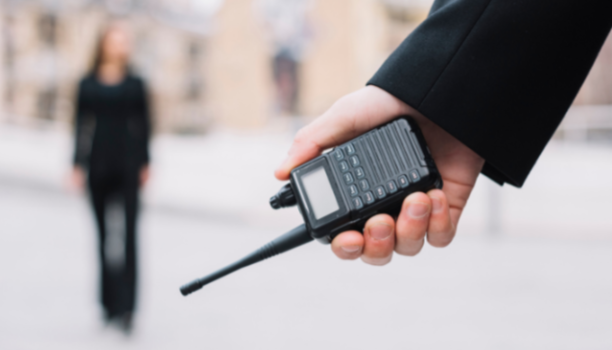
For clients seeking Bodyguard services Delta, the value of trained personnel goes beyond appearance. A close-protection professional must remain alert, assess surroundings, and react appropriately without creating unnecessary disruption. This requires awareness, communication, and the ability to remain composed when circumstances change.
Personal Protection Requires Careful Observation
Close protection is built around prevention rather than confrontation. Security personnel must notice changes in the environment, understand movement around the client, and identify situations that may require a safer route, controlled access, or increased attention.
This type of work can be relevant during public appearances, business travel, private events, or situations where an individual wants an added level of security. The goal is to maintain protection while allowing the person being guarded to continue normal activities as comfortably as possible.
Access Control Is Still a Core Guard Duty
Even when personal protection is involved, access control remains important. Security guards may need to manage who approaches a protected individual, monitor entrances, verify visitors, or coordinate movement through busy locations.
At properties and events, these same skills help maintain clear boundaries. Guards can prevent unauthorized access to restricted areas, assist legitimate visitors, and reduce confusion during periods of heavy activity. This combination of personal awareness and property control makes trained guards useful in many different settings.
Security Patrols Help Identify Risk Early
Guards assigned to a property should not remain focused on only one point. Regular patrols can reveal damaged gates, unsecured doors, suspicious vehicles, unfamiliar individuals, or activity that appears out of place.
Early detection matters because many security incidents develop gradually. A small warning sign may become a more serious problem if nobody notices it. Trained guards provide continuous observation and can report concerns before they escalate.
Professional Guards Support Safer Movement
Security concerns can also arise when people move between locations. Executives, public-facing professionals, event participants, or individuals in unfamiliar environments may benefit from security personnel who can assess routes, arrival points, exits, and surrounding activity.
The same principles apply to Bodyguard services Thompson, where protection should be based on the situation rather than a generic approach. Guards may need to coordinate arrival and departure, maintain awareness in crowded areas, or stay close enough to respond while still respecting the client’s privacy and personal space.
Incident Response Depends on Training and Procedures
When an incident occurs, security guards must act according to clear procedures. Depending on the situation, this may involve moving a client away from a risk, contacting emergency services, securing an area, documenting events, or notifying property management.
Calm decision-making is essential. Effective guards do not create unnecessary conflict. Their responsibility is to assess what is happening, take reasonable protective action, and communicate clearly with the people involved.
Reporting Strengthens Future Security Planning
Security work does not end when a shift or assignment finishes. Detailed reports can help identify repeated concerns, weak access points, unusual patterns, and areas that require additional attention.
For businesses and individuals, this information can improve future planning. Security arrangements can then be adjusted based on real observations rather than assumptions, creating a more targeted and efficient approach.
Conclusion
Professional security guards play an important role in both personal protection and property security. Their value comes from visible presence, observation, access control, patrol activity, communication, and the ability to respond directly when circumstances change.
Whether protecting an individual, workplace, event, or residential property, effective guard services should be based on the actual risks involved. A well-planned security presence helps reduce uncertainty, supports safer movement, and provides consistent protection where human judgment matters most.