
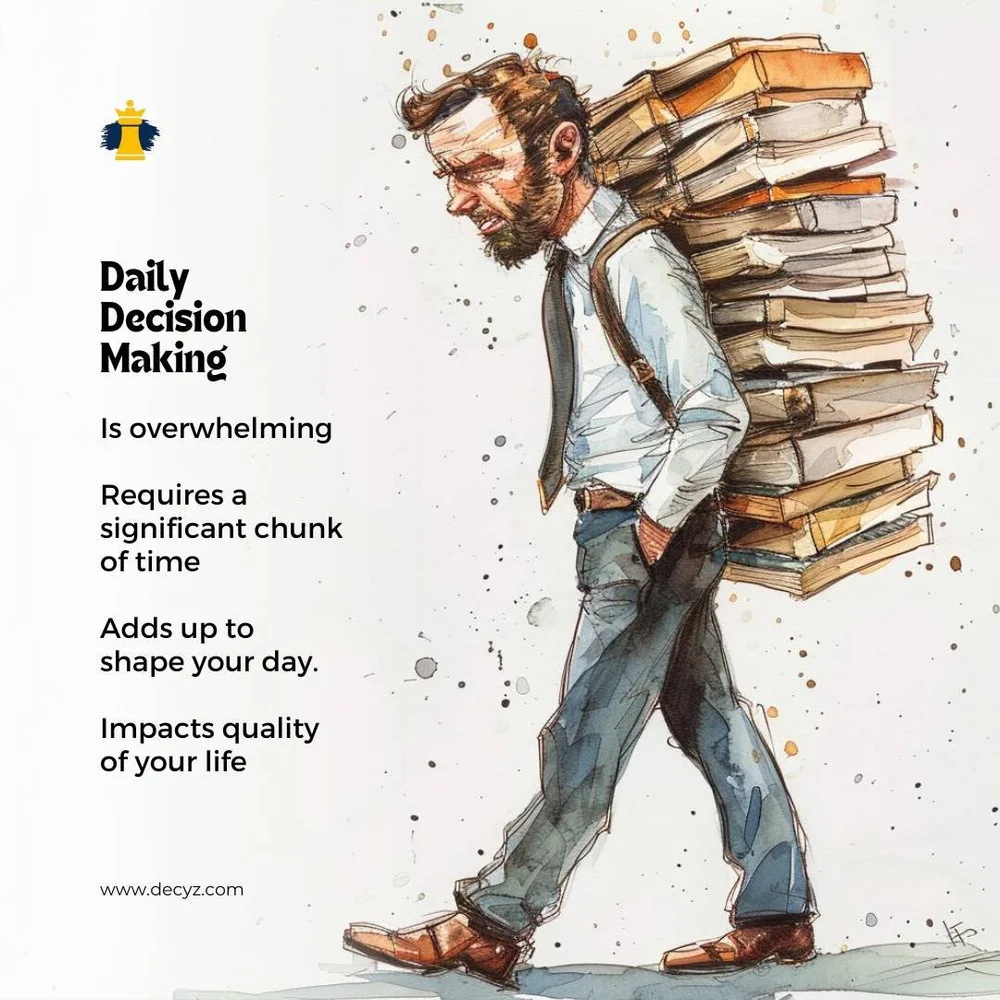
Having choices is usually considered a good thing. More choices can mean greater freedom, better personalization, and a higher chance of finding something that suits our needs. Yet everyday life increasingly shows another side of choice. When almost everything comes with dozens or even hundreds of possibilities, making a simple decision can become surprisingly exhausting. From choosing what to eat to deciding what to watch, buy, wear, or do on the weekend, an abundance of options can sometimes make ordinary life feel more complicated than it needs to be.
When Simple Choices Become Mental Work
Think about something as ordinary as buying toothpaste. A supermarket shelf may contain products for whitening, sensitivity, fresh breath, enamel protection, gum care, and several combinations of these features. What should be a quick purchase suddenly requires comparison.
The same experience appears across daily life. Streaming platforms offer enormous libraries. Online stores display countless versions of similar products. Food delivery apps present hundreds of meals. Even selecting a household appliance can involve hours of reading specifications and reviews.
The problem is not choice itself. Difficulty begins when the number of options requires more attention than the decision deserves. Mental energy is limited, and spending too much of it on minor choices can leave less available for genuinely important matters.
The Pressure to Find the Perfect Choice
More options can also create the feeling that there must be one perfect answer somewhere.
When only a few choices are available, people often select the one that seems suitable and move on. With hundreds of possibilities, however, it becomes tempting to continue searching. Perhaps another product is cheaper. Maybe another restaurant has better reviews. There might be a better holiday destination or a more useful subscription.
Lifestyle resources such as parenting tips Australia can be helpful when families are looking for practical ideas, but parents can also encounter an overwhelming amount of advice. Different approaches to routines, meals, education, activities, and screen time may all sound convincing. Instead of creating certainty, too many recommendations can make parents question decisions that were already working well for their families.
Online Life Has Expanded the Menu
The internet has dramatically increased access to information and choice. A person shopping locally might compare several products. Online, the same person can compare hundreds from retailers across different regions.
That access is valuable, but it changes how decisions are made. Consumers can spend more time researching a relatively inexpensive purchase than previous generations might have spent making a much larger decision.
Websites such as Vizz.com.au and other digital resources can help readers discover ideas across different areas of everyday life. The key is using online information as a tool rather than allowing endless browsing to turn every choice into a research project.
Sometimes enough information really is enough.
Decision Fatigue Builds Gradually
Not every decision feels difficult individually. The challenge comes from accumulation.
A typical morning can involve deciding what to wear, what to eat, which messages need immediate replies, what route to take, what tasks should come first, and whether something needs to be purchased on the way home. By lunchtime, dozens of small decisions may already have been made.
This is one reason routines can be so valuable. Eating similar breakfasts, planning clothes ahead, keeping frequently used items in consistent places, or following a regular shopping schedule removes unnecessary decisions.
Routine does not eliminate freedom. Instead, it saves decision making energy for situations where choice actually matters.
Recommendations Can Help and Complicate
People increasingly rely on recommendations before making decisions. Reviews, comparison articles, social media posts, videos, and forums can provide useful firsthand experiences.
An Australian online magazine, for example, may introduce readers to travel ideas, home improvements, products, food trends, or practical lifestyle advice they would not otherwise encounter. Problems arise when research continues long after enough useful information has been gathered.
Reading ten opinions may clarify a decision. Reading another hundred may introduce contradictory preferences and create new doubts.
A practical approach is to decide in advance what information matters. If buying a product, identify three or four essential requirements before researching. Options that fail those requirements can immediately be removed from consideration.
Good Enough Is Often Actually Good
One reason choices become stressful is the belief that selecting something means losing all the benefits offered by the alternatives.
Choose one restaurant and you miss another. Buy one phone and another model may have a better camera. Spend Saturday relaxing and you miss the opportunity to complete a project.
But most everyday decisions do not require perfection. They require an option that works reasonably well.
Accepting a good enough solution can be surprisingly freeing. This does not mean becoming careless. Important financial, medical, legal, or career decisions deserve careful consideration. The point is to match the amount of effort to the importance of the decision.
Choosing a sandwich should not require the same mental process as choosing a home.
Lifestyle Content Can Create Comparison Overload
Modern lifestyle content gives people extraordinary access to other people’s routines, homes, purchases, holidays, and habits. That can provide inspiration, but it can also continuously introduce alternatives.
Someone reading a Sydney lifestyle blog might discover a new restaurant, organization method, weekend destination, fitness routine, or interior style. None of these ideas are inherently problematic. The difficulty appears when inspiration becomes an expectation to constantly reconsider existing choices.
A perfectly functional living room suddenly seems outdated. A satisfying weekend appears unproductive compared with someone else’s itinerary. A reliable morning routine starts looking inadequate beside a highly optimized version online.
The ability to appreciate ideas without feeling required to adopt all of them has become an important modern skill.
Creating Personal Rules Makes Decisions Easier
One effective way to manage excessive choice is to create simple personal rules.
For example, someone might decide to replace clothing only when necessary, choose restaurants from a short list of favorites, limit streaming subscriptions, or wait 48 hours before making nonessential online purchases.
These rules reduce repeated deliberation. Instead of evaluating every possibility from the beginning, decisions are filtered through priorities that have already been established.
Knowing personal preferences also helps. When people understand what they value, irrelevant choices become easier to ignore.
Fewer Choices Can Create More Satisfaction
More choice gives us freedom, but freedom becomes useful only when we can confidently make decisions and move forward.
Simplifying small decisions can create more space for meaningful ones. Familiar routines, clear priorities, reasonable limits, and the willingness to accept good enough solutions can reduce unnecessary mental clutter.
There will always be another product, another recommendation, another restaurant, another show, and another way of doing something. Trying to evaluate every possibility is rarely realistic.
Sometimes a better everyday life does not come from discovering more options. It comes from knowing when you already have enough and feeling comfortable choosing from what is in front of you.