
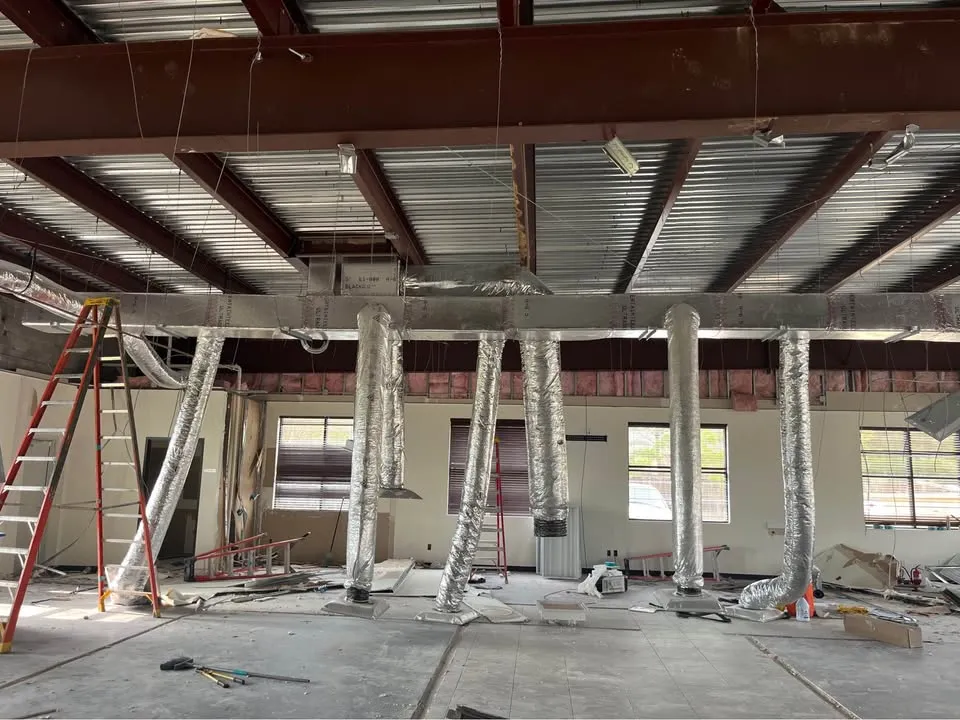
Ask three contractors to price the same demolition job in Toronto and you might get three very different numbers. That doesn’t always mean someone is overcharging. More often, each one assumed something different about the scope, the access or the conditions on site. Knowing what drives the price helps you compare quotes properly and spot the ones built on guesses.
1. Scope clarity
The biggest factor is how clearly the work is defined. A precise, written scope lets every bidder price the same job. A vague one forces contractors to add contingency or exclude items, and those exclusions tend to come back later as extras. Writing exclusions as named responsibilities helps a lot.
2. Size and type of structure
A wood-frame house comes down very differently from a concrete office floor. The material affects the method, the equipment and the amount of debris to move. Steel and concrete take longer to cut and weigh more to haul away.
3. Access
Downtown, access can cost more than the demolition itself. A crew moving every load through a freight elevator booked in two-hour slots works slower than one loading straight into a bin at the curb. Narrow lanes, shared driveways and no on-street parking all add time.
4. Hazardous materials
Asbestos, lead paint and other designated substances need specialist removal before general demolition. The cost depends on the type of material and how much of it there is. A clear survey report up front stops this from turning into a surprise halfway through.
5. Working hours
Toronto’s noise bylaw limits when audible construction can happen, and many buildings add stricter rules of their own. Work restricted to evenings or weekends usually costs more in labour, and short work windows mean more days on site for the same amount of removal.
6. Protection and retained elements
The more that has to survive, the slower and more careful the work. Protecting finished floors, live sprinkler systems, heritage fabric or a neighbour’s wall takes time and material. Selective demolition generally costs more per square foot than clearing an empty shell.
7. Disposal and recycling
Debris has to go somewhere, and disposal fees depend on weight and material type. Clean, sorted concrete or metal often costs less to handle than a mixed load, and scrap metal can carry some value. If a bin has to sit on a City street, the street permit adds to the total.
8. Permits and approvals
City demolition permits, tree permits, engineering reviews and road damage deposits all carry costs. Some fall to the owner, others to the contractor. A good quote says which is which.
How to get comparable quotes
Give every bidder the same package: the written scope, drawings, the designated substances report, building rules and the handover condition you expect. Ask each contractor to list their exclusions and assumptions, then compare those lists, not just the bottom line. A low number that leaves out disposal or hazardous materials isn’t really low.
It also helps to walk the site with each bidder. Demolition in Toronto rarely matches the drawings exactly, and a contractor who has seen the dock, the elevator and the ceiling space will price fewer unknowns. Ask what they noticed. The answer tells you how carefully they looked.
Get a price built on the real site
SiteClear prices every demolition Toronto job from a site assessment and a written scope, so the number reflects your building rather than a template. We work across Toronto, Peel, Halton, York and Durham. Request a free estimate or call 647-693-1416.